Wedding Band Width Guide: A Comprehensive Overview (Updated 12/21/2025)
Navigating wedding band widths is crucial for comfort and style. Popular choices range from 4mm to 8mm for men, and 1.5-4mm for women,
balancing elegance and presence. Consider hand size and metal type!
Understanding Wedding Band Width: Why It Matters
Choosing the right wedding band width extends beyond aesthetics; it significantly impacts comfort and how the ring appears on the hand. A band’s width dictates its visual weight and how it complements your lifestyle. Wider bands, like 8mm options, make a bolder statement and are often favored by individuals with larger hands, providing a substantial feel.
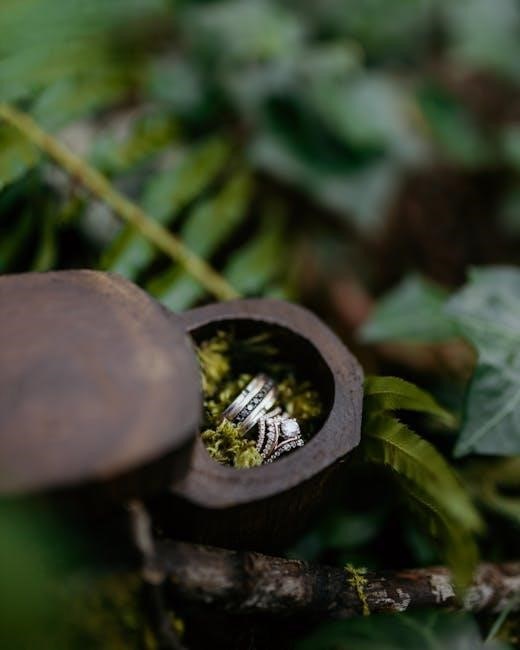
Conversely, narrower bands – around 4mm or even 1.5-2mm – offer a more delicate and subtle look, ideal for those preferring understated elegance or with smaller hands. Comfort is paramount, as a band that’s too wide can feel restrictive, while one that’s too narrow might appear disproportionate.
The perceived width also shifts based on the chosen metal. Platinum tends to appear slightly slimmer than gold due to its density. Furthermore, the ring’s fit – whether comfort fit or traditional fit – influences how the width feels on the finger. Ultimately, selecting the appropriate width ensures a harmonious balance between personal style, comfort, and overall proportion, creating a cherished symbol of commitment worn with pride for years to come.
Average Wedding Band Widths for Men
Generally, the most popular wedding band width for men falls between 6mm and 8mm. However, the “average” is heavily influenced by hand size and personal preference. A 6mm wedding ring consistently ranks as the most favored choice, striking a balance between noticeable presence and everyday comfort. It suits a wide range of hand sizes and styles, offering versatility for both simple bands and those with detailing.
Men with larger hands and those desiring a bolder look often gravitate towards 8mm bands. These provide a more substantial feel and visual impact, complementing broader fingers. For a more understated aesthetic, or if you have smaller hands, a 4mm wedding band presents a subtle yet elegant option.
It’s crucial to remember that these are guidelines, not rules. Some men prefer even narrower bands (5mm or less), while others opt for wider styles (9mm+). Ultimately, the ideal width is the one that feels most comfortable and reflects your individual style, ensuring a lifetime of satisfaction.
6mm Wedding Bands: The Most Popular Choice
The 6mm wedding band consistently dominates as the most popular choice for men, and increasingly for women too. This widespread preference stems from its exceptional balance of presence and comfort. It’s substantial enough to make a statement without feeling bulky or overwhelming the hand. This width works exceptionally well for most hand sizes, making it a safe and stylish option for many.
A 6mm band offers ample space for detailing, such as engraving, milgrain, or subtle stone settings, without appearing overly ornate. It pairs beautifully with various metal types, from classic gold to modern platinum and durable tungsten.
Mark Broumand specifically highlights the 6mm width as a sweet spot, appealing to a broad spectrum of tastes. It’s versatile enough for everyday wear and special occasions, seamlessly transitioning from casual to formal settings. Choosing a 6mm band often simplifies the decision-making process, offering a classic and timeless aesthetic that won’t go out of style;
8mm Wedding Bands: For a Bold Statement
An 8mm wedding band is the definitive choice for men seeking a bolder, more prominent look. This width exudes confidence and masculinity, making a strong visual impact. It’s particularly well-suited for men with larger hands, as it maintains proportionality and avoids appearing delicate or understated.
The increased surface area of an 8mm band allows for more elaborate designs and intricate detailing. This makes it an excellent canvas for showcasing unique patterns, textures, or substantial gemstone inlays. It’s a fantastic option for those who want their wedding band to be a focal point of their overall style.
While offering a striking appearance, it’s important to consider comfort. Men should ensure the band feels comfortable for all-day wear, as a wider band can take some getting used to. Pairing it with a comfort fit interior can mitigate any potential discomfort. An 8mm band is a powerful expression of personality and commitment, ideal for the man who isn’t afraid to stand out.
4mm Wedding Bands: A More Subtle Option
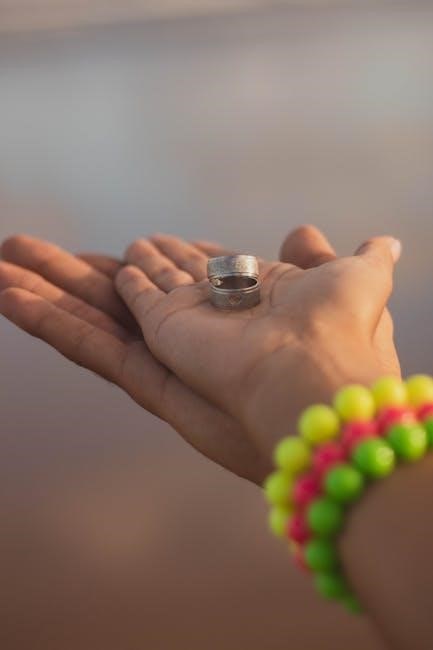
A 4mm wedding band presents a refined and understated elegance, ideal for men who prefer a more minimalist aesthetic. This width offers a subtle presence on the finger, avoiding a bulky or overpowering look. It’s a particularly good choice for men with smaller hands, ensuring the band remains proportionate and comfortable.
Despite its narrower profile, a 4mm band can still carry significant meaning and style. It’s well-suited for simpler designs, allowing the quality of the metal and craftsmanship to shine through. It pairs beautifully with other jewelry and won’t clash with professional attire.
Comfort is a key advantage of this width; many find a 4mm band to be exceptionally comfortable for everyday wear. It’s less likely to interfere with daily activities and feels lightweight on the hand. For those seeking a classic, timeless look that doesn’t demand attention, a 4mm wedding band is an excellent and sophisticated choice.
Wedding Band Widths Based on Hand Size (Men)
Determining the ideal wedding band width for men is significantly influenced by hand size and finger proportions. A crucial aspect of achieving a balanced and aesthetically pleasing look is ensuring the band complements, rather than overwhelms, the hand.
Men with smaller hands (ring size 8 or less) generally find that widths between 4mm and 6mm are most flattering. Wider bands can appear disproportionately large. Conversely, men with larger hands (ring size 10 or greater) can comfortably wear 8mm or even 10mm bands, creating a bolder statement.
A 6mm band often serves as a versatile option for medium-sized hands, offering a balance between presence and comfort. It’s a popular choice for its universally appealing proportions. Ultimately, personal preference plays a role, but considering hand size is paramount. Trying on various widths is highly recommended to visualize the best fit and overall appearance.
Average Wedding Band Widths for Women
Selecting the appropriate wedding band width for women involves balancing delicacy, elegance, and personal style. Unlike men’s bands, women’s preferences often lean towards narrower and more refined options, though this isn’t a strict rule.
The most popular range for women’s wedding bands falls between 1.5mm and 4mm. Bands measuring 1.5-2mm are favored for their delicate and understated appearance, often paired with engagement rings to create a cohesive look. These widths are particularly well-suited for women with smaller hands or those who prefer a minimalist aesthetic.
3-4mm bands offer a slightly more substantial presence without being overwhelming. They provide a balanced option for women who desire a noticeable band but still appreciate a refined style. Ultimately, the best width depends on finger size, personal taste, and how the band complements the engagement ring. Trying on different widths is essential for finding the perfect fit.
1.5-2mm Wedding Bands: Delicate and Elegant
For women seeking a subtle and refined aesthetic, 1.5-2mm wedding bands represent an excellent choice. These slender bands exude an air of delicate elegance, perfectly complementing a variety of engagement ring styles without overpowering them. They are particularly popular among those with smaller hands or a minimalist sensibility.
The narrow width of these bands creates a seamless and harmonious look when worn alongside an engagement ring, allowing the center stone to remain the focal point. They are often chosen by brides who prefer a more understated and classic appearance. These bands are frequently paired with solitaire or halo engagement rings, enhancing their brilliance without competing for attention.
Despite their delicate appearance, 1.5-2mm bands are surprisingly durable, especially when crafted from robust metals like platinum or gold. They offer a comfortable fit for everyday wear and are a timeless symbol of enduring love. Consider the metal color to further enhance the band’s elegance.
3-4mm Wedding Bands: A Balanced Presence
For women desiring a noticeable yet not overwhelming presence, 3-4mm wedding bands strike an ideal balance. These medium-width bands offer a comfortable and stylish option, providing a bit more visual impact than narrower bands while remaining elegant and versatile. They are a popular choice for those who want a band that stands out without being overly bold.
A 3-4mm band complements a wide range of engagement ring styles, from classic solitaires to more elaborate designs. They work particularly well with rings featuring larger center stones, providing a proportionate and harmonious look. This width offers enough surface area for subtle detailing, such as milgrain or pavé diamonds, adding a touch of sophistication.
These bands are also a practical choice for everyday wear, offering durability and comfort. They are suitable for women with varying hand sizes and are available in a variety of metal options, including gold, platinum, and palladium. Consider a slightly thicker band (closer to 4mm) if you prefer a more substantial feel.
Wedding Band Widths Based on Hand Size (Women)

Determining the ideal wedding band width for women is closely tied to hand size and finger length. Petite hands and slender fingers generally benefit from narrower bands, typically ranging from 1.5mm to 2mm, creating a delicate and proportional aesthetic. These widths avoid overwhelming the hand and maintain a graceful appearance.
For women with average-sized hands, a 3-4mm band often provides the most balanced look. This width offers a noticeable presence without appearing bulky, complementing a variety of engagement ring styles. It’s a versatile choice suitable for everyday wear and special occasions.
Women with larger hands or longer fingers can confidently explore wider bands, such as 5-6mm, for a bolder statement. These widths can handle more intricate designs and detailing, creating a visually striking look. However, even with larger hands, consider personal preference and comfort when selecting a width.
Ultimately, trying on different widths is crucial. A jeweler can provide expert guidance and help you find a band that complements your hand size and overall style.
Matching Wedding Band Widths: Couples’ Considerations
Coordinating wedding band widths is a popular choice for couples, symbolizing unity and harmony. However, strict matching isn’t essential; a complementary approach often looks more balanced and aesthetically pleasing. Consider the relative hand sizes of both partners.
If there’s a significant difference in hand size, mirroring the exact width can appear disproportionate. A common strategy is for the groom to choose a slightly wider band (e.g., 8mm) while the bride opts for a narrower one (e.g., 4mm). This creates visual equilibrium.
Alternatively, maintaining a consistent aesthetic through similar styles or metal types can create cohesion even with varying widths. For example, both bands could be crafted from platinum with a brushed finish, regardless of their individual widths.
Personal preference plays a vital role. Some couples prefer identical bands as a symbol of equality, while others prioritize individual comfort and style. Open communication and trying on different combinations are key to finding the perfect match—or intentional mismatch—for both partners.
Metal Type and Perceived Width
The metal chosen for a wedding band significantly impacts how its width is perceived. Certain metals, due to their density and color, can make a band appear either wider or narrower than it actually is.
Platinum, being a denser metal, tends to make a band look slightly slimmer than a gold band of the same width. Its heavier weight also contributes to a more substantial feel on the finger. Conversely, gold, particularly yellow gold, can visually expand a band’s width.
White gold, while similar in color to platinum, is less dense and may not have the same slimming effect. Rose gold, with its warmer tones, can also make a band appear a bit more prominent.
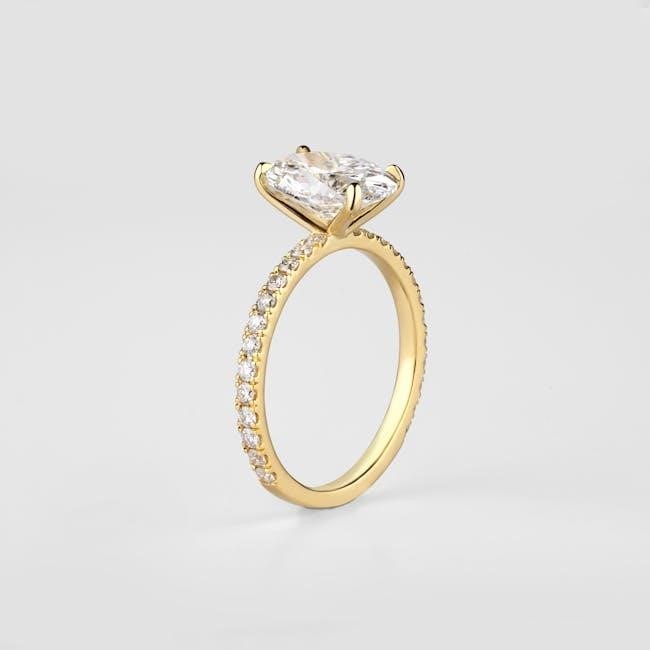
Consider the finish as well. A polished finish reflects light, potentially enhancing the perceived width, while a matte or brushed finish can create a more subdued appearance. Ultimately, understanding these nuances allows couples to select a metal that complements their desired aesthetic and hand size, ensuring the band looks and feels just right.
Platinum vs. Gold: How They Affect Band Appearance
Choosing between platinum and gold for a wedding band isn’t just about price; it dramatically alters the ring’s visual impact. Platinum’s inherent density creates a heavier, more substantial feel, often making a band of a given width appear slightly more refined and less bulky than its gold counterpart.
Gold, being less dense, can visually expand the band’s width, particularly yellow gold, which reflects light differently. This can be advantageous for those wanting a bolder statement without increasing the actual millimeter measurement.
The color also plays a role. Platinum’s cool, silvery tone offers a sleek, modern aesthetic, while gold’s warmer hues – yellow, white, or rose – provide different stylistic options. White gold, though similar in color to platinum, lacks the same density and visual slimming effect.
Consider how the metal interacts with skin tone. Platinum often complements cooler skin tones, while gold can enhance warmer complexions. Ultimately, the best choice depends on personal preference and the desired overall look.
Comfort Fit vs; Traditional Fit: Impact on Width Perception
The interior shape of a wedding band – comfort fit or traditional – significantly influences how the width feels and appears on the finger. A traditional fit band maintains a consistent width throughout, from the outer edge to the inner surface. This can feel snug, and sometimes less comfortable for extended wear.
Comfort fit bands, conversely, are slightly rounded on the inside. This creates a more comfortable wearing experience, as it allows for greater movement and reduces friction. However, this rounding subtly increases the band’s perceived width on the outside.
Because of the interior curvature, a 6mm comfort fit band will often look wider than a 6mm traditional fit band. This is because more of the metal is visible from a top-down perspective.
When selecting a width, factor in the fit. If you prefer a slimmer appearance, a traditional fit might be preferable. If comfort is paramount, a comfort fit is ideal, but consider going slightly narrower in width to compensate for the visual effect.
Thickness and its Relation to Width
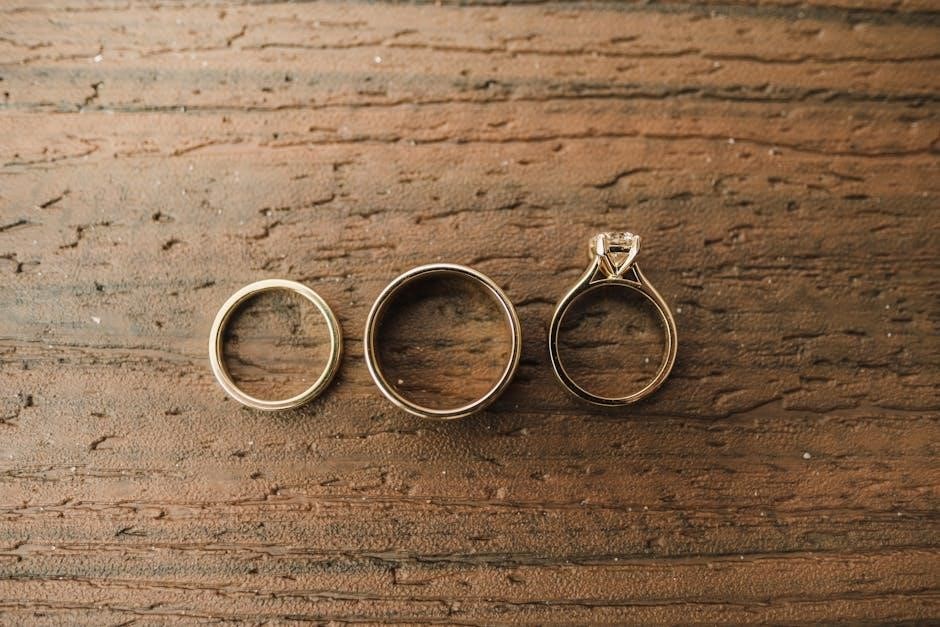
While width defines a band’s measurement around the finger, thickness – or profile – dictates its height. These two dimensions work in tandem to create the overall aesthetic and feel of the ring. A wider band doesn’t automatically mean a thicker band, and vice versa.
A thinner band, typically between 1.2-2mm in thickness, will appear more delicate, regardless of its width. This is particularly true for women’s bands, where a slimmer profile enhances elegance. Conversely, a thicker band (2.5mm or more) lends a more substantial and robust look.
Consider the interplay between width and thickness. A very wide band with a thin profile can feel flimsy, while a narrow band with significant thickness can appear disproportionate. A balanced approach is generally preferred.
For men, thicker bands often complement wider widths, creating a bolder statement. For women, a moderate thickness paired with a suitable width offers a harmonious balance of style and comfort. Ultimately, the ideal combination depends on personal preference and hand size.
Ring Size and Width: Finding the Right Proportion
Determining the correct ring size is paramount, but it’s only half the equation. The width of the band significantly impacts how a ring feels and appears on the finger, especially in relation to size. A larger ring size generally accommodates wider bands more comfortably.
Individuals with larger hands and ring sizes can confidently opt for 8mm or wider bands without appearing unbalanced. Conversely, those with smaller hands and ring sizes might find wider bands overwhelming and uncomfortable. A 4mm or 6mm band often provides a more proportionate look.
It’s crucial to consider the overall aesthetic. A very wide band on a slender finger can visually shorten the finger, while a narrow band on a larger finger might appear lost. Strive for a harmonious balance.
Professional sizing is essential. A jeweler can accurately measure your ring size and provide guidance on appropriate band widths based on your hand shape and preferences. Don’t hesitate to try on various widths to find the perfect fit and style.
Trends in Wedding Band Width (2024-2025)
The wedding band landscape for 2024-2025 showcases a fascinating blend of classic preferences and emerging styles. While the 6mm band remains a steadfast favorite for men, offering a balance of comfort and presence, we’re seeing a notable increase in demand for slightly wider 7mm bands, particularly among those desiring a bolder statement.
For women, delicate and minimalist designs continue to dominate. Bands in the 1.5mm to 2mm range are incredibly popular, often paired with intricate detailing or pave diamonds. However, a resurgence of 3mm bands is occurring, offering a subtle yet noticeable presence.
A key trend is the mixing of widths within couples’ sets. He might choose a 6mm or 8mm band, while she opts for a more slender 2mm or 3mm design, reflecting individual styles. Textured bands are also gaining traction, adding visual interest without necessarily altering width.
Ultimately, personalization reigns supreme. Couples are increasingly prioritizing bands that reflect their unique personalities, moving beyond strict adherence to traditional widths. Comfort and individual style are the driving forces behind these evolving trends.
Where to Buy and Get Properly Sized
Finding the perfect wedding band requires both selection and accurate sizing. Traditional jewelry stores offer a personalized experience, allowing you to try on various widths and styles with expert guidance. Professional sizing is crucial; fingers can fluctuate in size due to temperature and time of day.
Online retailers provide a vast selection and often competitive pricing. However, accurate sizing becomes paramount. Many offer printable ring sizers, but a professional measurement is highly recommended for precision. Consider ordering a ring sizer before committing to a purchase.
Local jewelers often provide complimentary sizing services with purchase. This ensures a comfortable fit and allows for adjustments if needed. Don’t hesitate to ask about resizing policies before making a final decision.
Pop-up shops and trunk shows can offer unique designs and personalized attention. Research reputable vendors and read reviews before purchasing. Prioritize retailers with clear return and exchange policies, especially for online purchases. Proper sizing guarantees a lifetime of comfortable wear!