
The Modern Herbal Dispensatory is a pivotal guide, transforming herbal knowledge into practical medicine, offering 250 remedies for home preparation.
It’s a trusted resource utilized in herbalism schools, clinics, and apothecaries across the nation, establishing a standard for effective herbal practices.
Overview of the Book’s Scope
The Modern Herbal Dispensatory meticulously details the art and science of creating potent herbal medicines. It doesn’t just present recipes; it delves into how and why methods matter, bridging the gap between theoretical knowledge and practical application.
The book comprehensively covers a vast range of extraction techniques, from simple infusions to more advanced methods like percolation. It empowers readers to move beyond basic tea blends and confidently formulate consistent, effective remedies.
This guide is designed for those seeking to build a functional natural medicine cabinet, offering a foundation for both beginners and experienced herbalists alike, ensuring reliable results.
Authors: Thomas Easley and Steven Horne
Thomas Easley and Steven Horne bring a wealth of experience to The Modern Herbal Dispensatory. Easley’s expertise lies in herbal formulation and practical medicine-making, while Horne contributes a deep understanding of traditional Western herbalism and constitutional assessment.
Together, they’ve created a synergistic resource that blends scientific rigor with time-honored practices. Their combined knowledge ensures the book is both theoretically sound and readily applicable.
This collaboration results in a guide that’s accessible to a wide audience, offering clear instructions and a comprehensive approach to herbal preparation.
Target Audience: From Beginner to Professional
The Modern Herbal Dispensatory caters to a remarkably broad audience, spanning from those new to herbalism to seasoned professionals. Beginners will appreciate the clear, step-by-step instructions for crafting simple remedies, moving beyond basic tea blends.
Experienced herbalists will find value in the consistent, potent formulas and detailed extraction techniques. Health practitioners seeking to integrate plant-based care will benefit from the standardized approach.
Ultimately, anyone desiring a functional, natural medicine cabinet will discover a trusted companion within its pages.
Core Principles of Herbal Medicine Making
The Modern Herbal Dispensatory emphasizes that how you prepare plant medicine is crucial for efficacy, moving beyond simply knowing what herbs to use.
Understanding Plant Constituents
The Modern Herbal Dispensatory highlights the importance of recognizing that plants contain diverse chemical constituents – alkaloids, flavonoids, resins, and more – each contributing to therapeutic effects.
Understanding these constituents is fundamental to effective medicine making, as different compounds are extracted using varying methods.
The book guides practitioners in identifying key constituents within herbs and selecting appropriate extraction techniques to harness their medicinal properties, ensuring potent and targeted remedies.
This knowledge bridges the gap between traditional herbalism and a scientific understanding of plant chemistry.
Extraction Methods: A Comparative Analysis
The Modern Herbal Dispensatory provides a detailed comparative analysis of various extraction methods, including infusions, decoctions, tinctures, fluid extracts, percolation, and maceration.
It clarifies when to utilize each technique based on the plant material and desired constituents, addressing common hesitations like trying percolation.
The book emphasizes that “method matters,” explaining how different methods yield varying potencies and profiles, guiding herbalists toward consistent, effective formulas.
This comparative approach empowers informed decision-making in the herbal preparation process.
The Importance of Menstruum Selection
The Modern Herbal Dispensatory highlights the critical role of menstruum selection – the solvent used in extraction – in shaping the final herbal preparation.
The book details how different menstruums, like alcohol, water, vinegar, or glycerin, selectively extract specific plant constituents, influencing the remedy’s therapeutic action.
Understanding these nuances is key to creating targeted formulas, as the menstruum isn’t merely a carrier but an active participant in the extraction process.
Proper selection ensures optimal potency and efficacy.
Detailed Extraction Techniques
The Modern Herbal Dispensatory meticulously details various extraction methods, from simple infusions and decoctions to advanced techniques like percolation and maceration.
Infusions: The Gentle Art of Tea Making
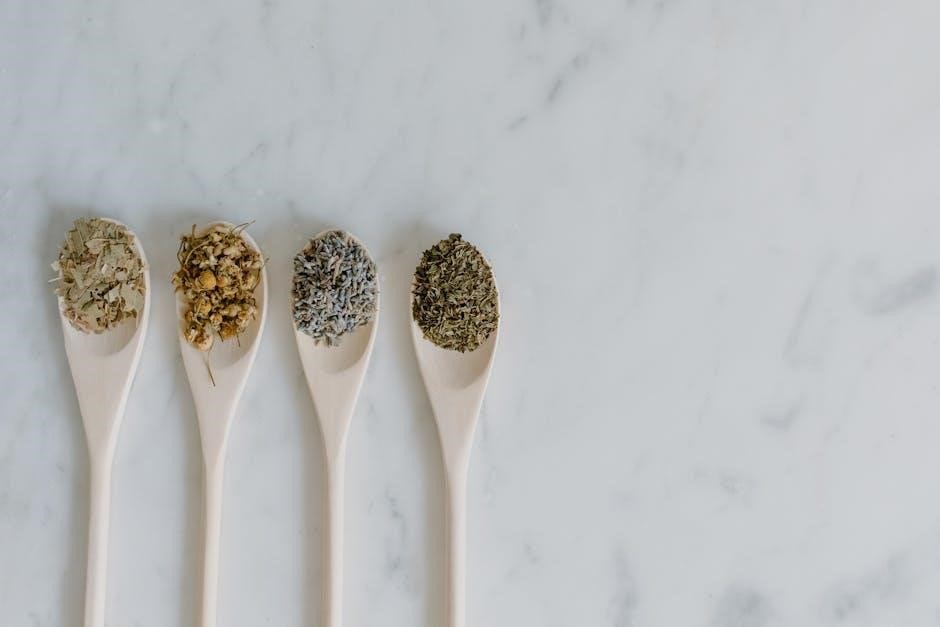
Infusions, often called teas, represent the most straightforward extraction method detailed in The Modern Herbal Dispensatory. This technique is ideal for delicate plant parts like flowers and leaves, preserving their volatile compounds.
The book emphasizes using quality water, appropriate temperatures (avoiding boiling for many herbs), and correct infusion times to maximize potency.
It guides readers on ratios of herb to water, covering both short infusions for nervines and longer infusions for demulcents.
Proper straining and storage are also discussed, ensuring a potent and shelf-stable herbal tea.
Decoctions: Extracting from Hard Plant Parts
Decoctions, as outlined in The Modern Herbal Dispensatory, are crucial for extracting constituents from dense plant materials like roots, barks, and seeds. This method involves simmering the herb in water for an extended period, typically 20-30 minutes, to break down tough cellular structures.
The book stresses the importance of using the correct water-to-herb ratio and appropriate pot materials (avoiding reactive metals).
It details how decoctions differ from infusions, emphasizing their suitability for releasing alkaloids and resins.
Proper straining and storage techniques are also highlighted.
Tinctures: Alcohol-Based Extractions
The Modern Herbal Dispensatory dedicates significant attention to tinctures, highlighting them as potent, long-lasting herbal extracts. The book explains how alcohol acts as a superior solvent, drawing out a broader spectrum of plant constituents compared to water-based methods.
It details various alcohol percentages and their suitability for different herbs, emphasizing the importance of menstruum selection.
The guide provides precise instructions on maceration times, percolation techniques, and proper straining procedures.
Dosage considerations and storage guidelines are also thoroughly covered.
Fluid Extracts: Standardized Potency
The Modern Herbal Dispensatory explores fluid extracts as a method for achieving standardized herbal potency. Unlike tinctures, fluid extracts utilize a specific alcohol-to-water ratio and extraction process to concentrate plant constituents.
The book details how this results in a more consistent and predictable medicinal effect, crucial for clinical applications.
It explains the historical context of fluid extracts, their advantages in dosage accuracy, and considerations for converting between fluid extract ratios and other preparations.
The guide emphasizes quality control in fluid extract production.
Percolation: Continuous Extraction
The Modern Herbal Dispensatory presents percolation as a sophisticated extraction technique, often intimidating to beginners, but yielding potent results. This method involves slowly passing menstruum through a column of powdered herb.
The book clarifies the process, explaining how continuous flow maximizes the extraction of diverse plant constituents.
It details the necessary equipment, proper herb packing techniques, and flow rate adjustments for optimal efficiency.
The guide highlights percolation’s suitability for large-scale production and achieving highly concentrated extracts.
Maceration: Cold Infusion
The Modern Herbal Dispensatory details maceration as a gentle extraction method, ideal for delicate herbs or those containing heat-sensitive compounds. This technique involves soaking the herb in a menstruum at room temperature for an extended period.
The book emphasizes maceration’s simplicity, requiring minimal equipment and offering a low-energy approach to extraction.
It explains the importance of herb particle size and menstruum ratios for maximizing yield.
Maceration is presented as a valuable alternative when heat-based methods are unsuitable, preserving the herb’s volatile constituents.
Working with Different Herbal Preparations
The Modern Herbal Dispensatory expertly guides readers through diverse preparations – capsules, powders, salves, syrups, and more – optimizing dosage and bioavailability.
Capsules and Tablets: Convenience and Dosage
The Modern Herbal Dispensatory highlights capsules and tablets as offering convenience and precise dosage control in herbal medicine. These preparations are ideal for individuals seeking a straightforward method of administration, particularly when dealing with powdered herbs that may have an unpleasant taste or texture.
The book details considerations for selecting appropriate capsule sizes and filler materials, ensuring optimal bioavailability and consistent potency. It emphasizes the importance of accurate weighing and encapsulation techniques to achieve reliable results, making them a valuable option for both beginners and experienced herbalists.
Powders: Versatility and Bioavailability
The Modern Herbal Dispensatory emphasizes herbal powders’ versatility, allowing for inclusion in various formulations – from simple additions to juices or smoothies to complex encapsulated dosages. Powders often exhibit enhanced bioavailability compared to other forms, as the plant material is readily accessible for absorption by the body.
The guide details proper drying and grinding techniques to ensure optimal powder quality and potency. It also addresses considerations for storage, protecting against moisture and light to preserve the herbs’ medicinal properties, making powders a foundational preparation.
Salves and Ointments: Topical Applications
The Modern Herbal Dispensatory highlights salves and ointments as effective topical remedies, ideal for localized treatment of skin conditions, muscle soreness, and wound healing. The book details the crucial role of infused oils as the base for these preparations, emphasizing proper infusion techniques to extract beneficial plant constituents.
It explains the differences between salves (using beeswax) and ointments (using petroleum jelly or other occlusive bases), guiding readers in selecting the appropriate base for specific applications and desired effects, ensuring potent and targeted herbal care.
Liniments: For Muscle and Joint Pain
The Modern Herbal Dispensatory presents liniments as powerful topical preparations designed to alleviate muscle and joint discomfort. These alcohol or vinegar-based extracts deliver herbal constituents directly to affected tissues, promoting circulation and reducing inflammation.
The guide emphasizes the importance of selecting herbs with analgesic and anti-inflammatory properties, like cayenne or arnica, and details proper preparation methods for maximizing their therapeutic benefits. It also cautions on appropriate usage, highlighting liniments are for external use only.
Syrups: Palatable Medicine for All Ages
The Modern Herbal Dispensatory highlights syrups as a remarkably versatile and appealing herbal preparation, particularly well-suited for children and those averse to tinctures. These sweet concoctions effectively deliver herbal benefits, blending medicinal properties with a pleasant taste.
The book details the process of creating syrups using a sugar or honey base, emphasizing the importance of proper ratios for preservation and efficacy. It suggests herbs like elderberry or wild cherry for respiratory support, making medicine accessible and enjoyable.
Compresses and Poultices: Localized Treatment
The Modern Herbal Dispensatory explains compresses and poultices as valuable methods for delivering targeted herbal action directly to affected areas. These topical applications utilize the power of herbs to address localized pain, inflammation, or skin conditions.
The guide details how to prepare both warm and cold compresses, alongside poultices made with mashed or powdered herbs. It suggests using comfrey for wound healing or arnica for muscle soreness, offering focused relief and supporting the body’s natural healing processes.
Quality Control and Standardization
The Modern Herbal Dispensatory emphasizes sourcing high-quality herbs and avoiding adulteration, crucial for potent remedies. Accurate record-keeping and batch numbers are vital.
Sourcing High-Quality Herbs
The Modern Herbal Dispensatory stresses the importance of obtaining herbs from reputable suppliers who prioritize quality and ethical harvesting practices. Consider organic certification when available, ensuring minimal pesticide residue.
Look for herbs that are vibrantly colored, possess a strong aroma, and are free from signs of mold or insect damage. Understanding the plant’s origin and growing conditions is also beneficial.
Establishing relationships with local growers or trusted herbal suppliers can guarantee freshness and potency. Prioritizing quality at the source directly impacts the effectiveness of your herbal preparations.
Identifying and Avoiding Adulteration
The Modern Herbal Dispensatory highlights the critical need to recognize and avoid adulteration in herbal products. Adulteration involves adding inferior substances to herbs, diminishing their therapeutic value and potentially posing health risks.
Be wary of unusually low prices, as they may indicate compromised quality. Examine herbs for foreign materials, inconsistent color, or unusual odors.
Purchasing from trusted suppliers who conduct third-party testing is crucial. Learning to identify key characteristics of genuine herbs helps safeguard the potency and safety of your remedies.
Measuring Potency and Active Compounds
The Modern Herbal Dispensatory emphasizes the importance of understanding herbal potency, moving beyond simply identifying plants. While comprehensive lab testing isn’t always accessible, skilled herbalists employ methods to assess quality.
Evaluating the organoleptic properties – taste, smell, and appearance – provides initial clues. Standardized extracts offer defined levels of active constituents, ensuring consistency.
Careful record-keeping of batch numbers and sourcing details is vital for tracking potency and refining formulations over time, ultimately enhancing therapeutic outcomes.
Record Keeping and Batch Numbers
The Modern Herbal Dispensatory highlights meticulous record-keeping as fundamental to consistent medicine-making. Detailed logs should document herb sourcing, including supplier and harvest date, alongside extraction methods and menstruum used.
Assigning unique batch numbers to each preparation allows for traceability and facilitates identifying variations in potency or quality. This practice is crucial for refining formulas and ensuring reproducible results.
Comprehensive records are invaluable for troubleshooting and demonstrating the efficacy of herbal remedies over time.
Specific Remedy Examples from the Book
The Modern Herbal Dispensatory provides 250 safe and effective remedies, including formulas for respiratory support, digestive health, nervine blends, and immune boosting.
Respiratory Support Formulas
The Modern Herbal Dispensatory details numerous formulas designed to support respiratory health, offering options for various conditions. These range from simple syrups easing coughs to more complex tinctures addressing deeper lung issues.
The book emphasizes precise extraction methods to maximize the medicinal benefits of herbs like mullein, elecampane, and licorice root.
It guides readers in creating customized blends tailored to individual needs, considering factors like acute versus chronic conditions and specific symptoms.
Detailed instructions ensure potent and effective respiratory remedies.
Digestive Health Remedies
The Modern Herbal Dispensatory provides a comprehensive array of remedies for digestive wellness, addressing issues from bloating and indigestion to more serious conditions. The book highlights herbs like chamomile, peppermint, and ginger, detailing their specific actions and appropriate applications.
It emphasizes the importance of proper extraction techniques – infusions, decoctions, and tinctures – to unlock their full therapeutic potential.
Formulas are presented for soothing inflammation, stimulating digestion, and restoring gut flora balance, offering holistic support.
Precise guidance ensures effective results.
Nervine and Adaptogenic Blends
The Modern Herbal Dispensatory expertly details nervine and adaptogenic herbal blends for supporting the nervous system and enhancing resilience to stress. It features herbs like skullcap, oatstraw, and ashwagandha, explaining their unique properties and synergistic effects.
The book guides readers through crafting formulas to calm anxiety, improve sleep, and boost cognitive function.
Emphasis is placed on appropriate extraction methods – tinctures are often favored – to maximize potency and bioavailability.
These blends promote overall well-being.
Immune Boosting Preparations
The Modern Herbal Dispensatory provides comprehensive guidance on formulating immune-boosting herbal preparations, utilizing plants like echinacea, elderberry, and astragalus. It details how to create synergistic blends to enhance the body’s natural defenses.
The book emphasizes the importance of timing and appropriate extraction methods – syrups and tinctures are commonly recommended – for optimal effectiveness.
Recipes are included for preventative tonics and acute-phase remedies, supporting the immune system during both wellness and illness.
These preparations are vital for health.
Advanced Techniques and Considerations
The Modern Herbal Dispensatory explores CO2 extraction, solventless methods, and fresh herb utilization, alongside scaling production for clinical settings, offering advanced herbalism insights.
CO2 Extraction: A Modern Approach
CO2 extraction represents a cutting-edge technique in herbal medicine, detailed within The Modern Herbal Dispensatory, offering a solventless alternative to traditional methods. Utilizing supercritical carbon dioxide, this process yields exceptionally pure extracts, capturing a broad spectrum of plant constituents without the risks associated with alcohol or other solvents.
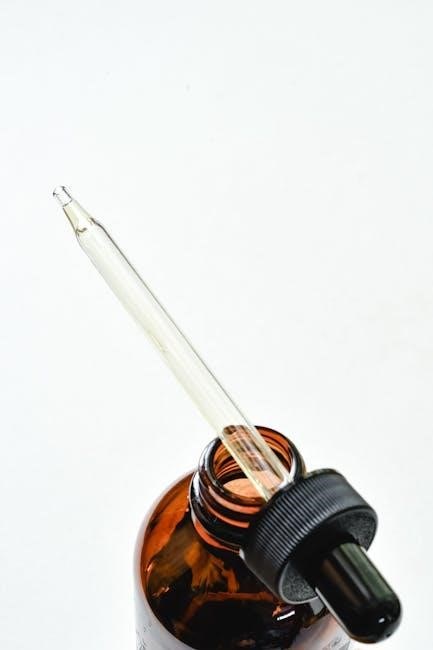
This method allows for precise control over extraction parameters, resulting in standardized and potent herbal preparations. It’s particularly valuable for delicate plant materials, preserving their volatile compounds effectively. While requiring specialized equipment, CO2 extraction is gaining prominence for its safety, efficiency, and ability to produce high-quality herbal extracts.
Solventless Extraction Methods
The Modern Herbal Dispensatory highlights the importance of solventless extraction techniques, appealing to herbalists seeking purity and avoiding alcohol or other solvents. Methods like expeller-pressed oils, utilizing mechanical pressure to extract oils from seeds, and traditional water-based extractions – infusions and decoctions – fall into this category.
These approaches, while often less potent than solvent-based methods, offer gentler extraction, preserving delicate plant compounds. They are ideal for home herbalists and those prioritizing natural processes. CO2 extraction, though advanced, also qualifies as solventless, providing a powerful alternative for concentrated extracts.
Working with Fresh Herbs
The Modern Herbal Dispensatory acknowledges the unique benefits of utilizing fresh herbs in medicine making, noting their higher water content and vibrant energy. Fresh plant material requires adjustments to traditional extraction ratios, often needing larger quantities compared to dried herbs due to the moisture difference.
Immediate processing is crucial to prevent degradation. Fresh tinctures, made with a higher water content menstruum, are a popular choice. The book emphasizes careful observation and adaptation, recognizing that fresh herbs offer a distinct therapeutic profile.
Scaling Up Production for Clinics
The Modern Herbal Dispensatory addresses the challenges of increasing herbal medicine production for clinical settings. Maintaining consistency and potency becomes paramount when scaling up, necessitating meticulous record-keeping and batch numbers for traceability.
Larger-scale extraction often benefits from equipment like percolators or automated maceration systems. The book stresses the importance of standardized procedures and quality control measures to ensure each batch meets therapeutic standards. Careful planning and efficient workflow are key to meeting patient demand.
Troubleshooting Common Issues
The Modern Herbal Dispensatory guides users through resolving issues like mold prevention, proper dosage, and potential interactions with conventional medications for safe use.
Mold and Preservation Concerns
The Modern Herbal Dispensatory addresses crucial preservation challenges in herbal medicine making. Maintaining dryness is paramount; ensure herbs are thoroughly dried before extraction to prevent mold growth.
Proper storage in airtight, dark glass containers is essential, shielding preparations from light, heat, and humidity. Alcohol percentages in tinctures significantly impact preservation – higher proofs offer better protection.
Regularly inspect preparations for any signs of mold or unusual odors. Consider adding vegetable glycerin to syrups as a natural preservative, extending shelf life and maintaining potency.
Dosage and Administration Guidelines
The Modern Herbal Dispensatory emphasizes individualized dosage, recognizing that factors like body weight, metabolism, and sensitivity influence optimal amounts. Start with lower doses, observing effects before increasing.
Tinctures are typically administered in drops, while powders can be encapsulated or mixed with liquids. Syrups offer palatable options, especially for children. Consistent administration is key for therapeutic benefit.
The book stresses the importance of careful observation and adjusting dosages based on individual responses, always prioritizing safety and mindful self-awareness throughout the herbal process.
Interactions with Conventional Medications
The Modern Herbal Dispensatory acknowledges the potential for interactions between herbs and conventional pharmaceuticals. It’s crucial to understand that herbs can influence drug metabolism, either enhancing or diminishing their effects.
Certain herbs may potentiate sedative medications, while others could counteract blood-thinning drugs. Individuals on prescription medications must consult with a qualified healthcare professional before incorporating herbal remedies;
This proactive approach minimizes risks and ensures safe, integrated healthcare, prioritizing patient well-being and responsible herbal practice.
Resources and Further Learning
Explore herbal schools, workshops, and professional organizations to deepen your knowledge beyond The Modern Herbal Dispensatory.
Recommended books and websites offer continued education in herbal medicine.
Recommended Books and Websites
Expanding your herbal knowledge requires diverse resources beyond The Modern Herbal Dispensatory. Consider exploring materials from the Vermont Center for Integrative Herbalism, co-founded by Guido Masé, a proponent of the book.
Delve into texts detailing plant identification, materia medica, and advanced extraction techniques. Websites like United Plant Savers offer crucial conservation information.
Further research into specific herbal traditions – Ayurvedic, Traditional Chinese Medicine – can enrich your understanding. Continuously learning ensures responsible and effective herbal practice.
Herbal Schools and Workshops
Deepening your herbal expertise often benefits from structured learning. The Vermont Center for Integrative Herbalism, frequently referencing The Modern Herbal Dispensatory, offers comprehensive programs.
Numerous other schools provide varying levels of training, from weekend workshops to multi-year clinical programs. Seek institutions emphasizing hands-on medicine-making and practical application.
Consider workshops focused on specific extraction methods detailed in the book – tinctures, salves, or fluid extracts – to refine your skills and build confidence in herbal preparation.
Professional Herbal Organizations
Connecting with the herbal community provides valuable support and resources. The American Herbalists Guild (AHG) is a leading professional organization, fostering standards of excellence in herbal practice.
Membership offers networking opportunities, continuing education, and access to a directory of qualified herbalists.
Organizations often host conferences and workshops, frequently incorporating techniques and principles outlined in The Modern Herbal Dispensatory, solidifying its role as a foundational text for serious practitioners.