
Sports instruction centers on performance preparation‚ encompassing various training types like continuous‚ fartlek‚ circuit‚ and interval methods. Effective coaching is crucial for athlete development.
Tailored drills and periodized plans – preparatory‚ pre-competition‚ and competition phases – optimize results. Flexibility and strength training are also vital components.
The Core Principles of Effective Coaching
Effective coaching transcends simply imparting technical skills; it’s about fostering holistic athlete development. A cornerstone is clear communication‚ ensuring athletes understand drills‚ strategies‚ and expectations. Positive reinforcement builds confidence and motivates continued effort‚ while constructive criticism guides improvement.
Individualization is paramount. Recognizing each athlete’s unique strengths‚ weaknesses‚ and learning style allows for tailored training plans. Progressive overload‚ gradually increasing training intensity‚ is essential for continuous gains.
Beyond physical conditioning‚ mental fortitude is key. Coaches must cultivate resilience‚ focus‚ and a positive mindset. Understanding periodization – the strategic planning of training phases – optimizes performance peaks. Finally‚ prioritizing athlete well-being‚ including injury prevention and recovery‚ demonstrates responsible and ethical coaching.
These principles‚ when consistently applied‚ create a supportive and effective learning environment‚ maximizing an athlete’s potential.

Types of Sports Training
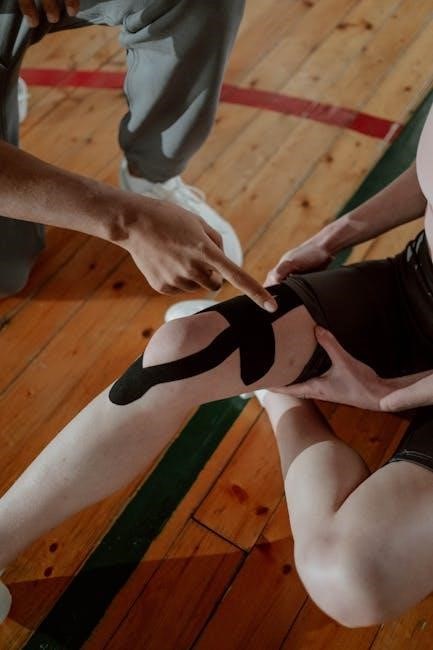
Sports training encompasses diverse methods: continuous‚ fartlek‚ circuit‚ interval‚ plyometric‚ strength‚ and endurance training. Each type targets specific fitness components for optimal athlete conditioning.
Continuous Training: Building a Base
Continuous training forms the bedrock of any comprehensive sports program‚ focusing on sustained effort over an extended duration. This method primarily aims to enhance cardiovascular endurance and establish a solid aerobic base for athletes. It involves maintaining a consistent intensity – typically low to moderate – for a prolonged period‚ ranging from 20 to 60 minutes‚ or even longer depending on the athlete’s fitness level and the demands of their sport.
Unlike more intense methods‚ continuous training prioritizes duration over speed. Think long-distance running at a conversational pace‚ steady-state cycling‚ or swimming laps without significant breaks. This approach improves the body’s ability to efficiently utilize oxygen‚ strengthens the heart‚ and increases blood volume. It’s particularly beneficial during the preparatory phase of periodization‚ laying the groundwork for more demanding workouts.
While not designed for rapid improvements in speed or power‚ continuous training is essential for building the foundational fitness necessary to withstand the rigors of intense sport-specific training and competition. It’s a cornerstone of endurance sports but valuable for all athletes seeking to improve their overall conditioning.
Fartlek Training: The Speed Play Method
Fartlek training‚ Swedish for “speed play‚” introduces enjoyable variability into endurance workouts. Unlike rigidly structured interval sessions‚ fartlek blends continuous training with bursts of higher-intensity effort‚ offering a dynamic and adaptable approach to improving speed and endurance. It’s characterized by spontaneous changes in pace‚ duration‚ and terrain‚ challenging the athlete to respond to varying demands.
A typical fartlek session might involve jogging at a comfortable pace‚ then surging forward for a short sprint‚ followed by a period of recovery jogging‚ and repeating this pattern throughout the workout. These bursts can be triggered by landmarks – running fast to the next tree‚ for example – or simply by feel. This unpredictability mimics the fluctuating demands of many sports.
Fartlek is excellent for developing both aerobic and anaerobic fitness‚ improving speed‚ and enhancing mental toughness. It’s a versatile method suitable for various sports and fitness levels‚ offering a refreshing alternative to more regimented training styles. It’s a great way to break the monotony of continuous training.
Interval Training: High-Intensity Bursts
Interval training is a highly effective method for boosting both aerobic and anaerobic fitness‚ characterized by alternating periods of high-intensity work with less intense recovery periods; This structured approach pushes the athlete beyond their comfort zone‚ leading to significant improvements in speed‚ power‚ and endurance. It’s a cornerstone of many sports-specific training programs.
A typical interval session involves a warm-up‚ followed by repeated bouts of fast running or other high-intensity exercises‚ interspersed with periods of jogging or walking for recovery. The duration of both the work and recovery intervals can be varied to target different energy systems and fitness components. For example‚ shorter‚ faster intervals improve speed‚ while longer intervals enhance endurance.
Intervals are particularly beneficial for athletes needing to repeatedly exert maximal effort during competition. This method improves the body’s ability to tolerate and recover from intense exertion‚ making it a crucial component of peak performance preparation. It’s a demanding but rewarding training technique.
Circuit Training: Full-Body Conditioning
Circuit training is a dynamic and versatile training method designed to improve overall physical fitness by performing a series of exercises – typically 6-10 – in a sequential manner‚ with minimal rest between each exercise. Once all exercises are completed‚ it’s considered one round‚ and athletes usually complete several rounds with a longer rest period between them.
This approach provides a full-body workout‚ targeting multiple muscle groups and improving both muscular endurance and cardiovascular fitness. Exercises can include bodyweight movements like push-ups and squats‚ or utilize equipment such as dumbbells‚ cones‚ and medicine balls. The variety keeps the training engaging and prevents plateaus.
Circuit training is easily adaptable to various sports and fitness levels. It’s an excellent option for developing functional strength‚ enhancing conditioning‚ and improving overall athletic performance. It’s a popular exercise format‚ offering a time-efficient and effective workout for any athlete.
Plyometric Training: Explosive Power Development
Plyometric training‚ often called “jump training‚” focuses on developing explosive power and reactivity. It involves rapid stretching and contracting of muscles to increase the speed and force of movements. This training method utilizes the stretch-shortening cycle – a natural muscle function – to enhance performance.
Exercises include box jumps‚ depth jumps‚ medicine ball throws‚ and bounding drills. These movements challenge muscles to exert maximum force in short intervals‚ improving power output and agility. It’s crucial to have a solid base of strength before incorporating plyometrics to prevent injuries.
Plyometric training is particularly beneficial for sports requiring jumping‚ sprinting‚ and quick changes of direction. It enhances athletic performance by improving muscle power‚ reaction time‚ and coordination. It’s a valuable component of a comprehensive sports instruction program‚ building explosive strength.
Strength Training: Building Muscle and Power
Strength training is a cornerstone of sports instruction‚ focusing on increasing muscle size‚ strength‚ and power. It involves using resistance – weights‚ resistance bands‚ or bodyweight – to challenge muscles and stimulate growth. This type of training isn’t solely about bulk; it’s about enhancing athletic capabilities.
Exercises range from traditional weightlifting (squats‚ bench press‚ deadlifts) to more functional movements mimicking sport-specific actions. Proper form is paramount to prevent injuries and maximize effectiveness. Progressive overload – gradually increasing resistance – is key to continued improvement.
Developing muscular strength translates to increased power‚ speed‚ and endurance in athletic performance. It also improves bone density and joint stability‚ reducing the risk of injury. Strength training is adaptable to all levels‚ making it a vital component of any athlete’s plan.
Endurance Training: Sustaining Performance
Endurance training‚ a fundamental aspect of sports instruction‚ focuses on improving the body’s ability to sustain prolonged physical activity. It’s about enhancing cardiovascular fitness and muscular endurance‚ allowing athletes to perform at a consistent level for extended periods.
Methods include continuous training – maintaining a steady pace for a prolonged duration – and more varied approaches like fartlek training‚ which incorporates bursts of speed into a continuous run. This builds both aerobic and anaerobic capacity.
Effective endurance training requires a progressive approach‚ gradually increasing distance‚ intensity‚ or duration. It’s crucial for sports demanding stamina‚ such as long-distance running‚ cycling‚ and swimming‚ but benefits all athletes by improving recovery and overall fitness. A well-structured plan is essential for optimal results and injury prevention.
Sports-Specific Training
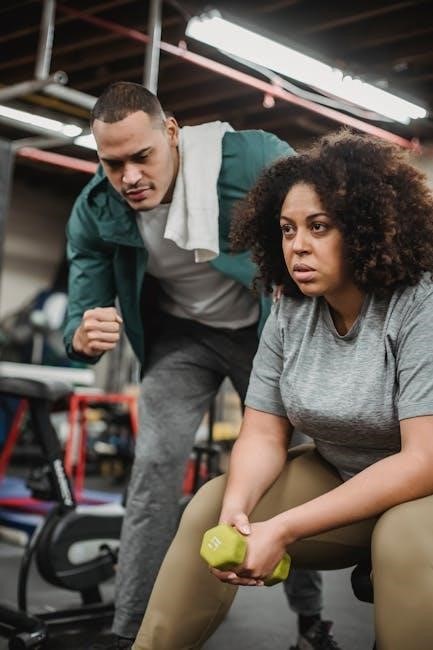
Sports-specific training utilizes tailored drills – ball control‚ shooting‚ or high-intensity intervals – mirroring game demands. This focused approach maximizes skill development and athletic performance.
The Importance of Tailored Drills
Tailored drills are the cornerstone of effective sports instruction‚ moving beyond generalized exercises to replicate the specific demands of an athlete’s discipline. Generic training builds a base‚ but sport-specific drills refine technique‚ enhance neuromuscular pathways‚ and improve performance under pressure.
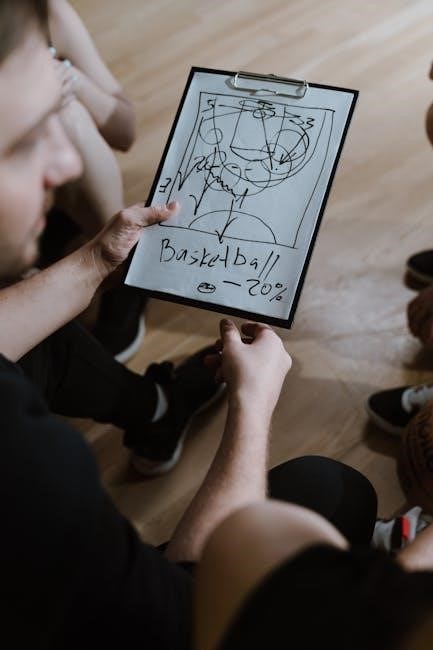
Consider a basketball player; simply running laps won’t improve shooting accuracy. Focused drills – repeated shooting from various angles‚ dribbling under fatigue‚ and defensive slide drills – directly translate to game-time success. Similarly‚ a swimmer benefits more from stroke-specific drills and interval sets mimicking race pace than from solely focusing on overall endurance.
These drills aren’t just about repetition; they’re about intelligent practice. Coaches must analyze the biomechanics of the sport‚ identify weaknesses‚ and design drills to address them. This individualized approach maximizes efficiency‚ minimizes injury risk‚ and accelerates skill acquisition. Ultimately‚ sports-specific training ensures that every practice session contributes directly to competitive advantage.
Examples of Sport-Specific Exercises
Sports instruction thrives on exercises mirroring real-game scenarios. For soccer‚ ball control drills – cone weaving‚ passing sequences‚ and first-touch practice – are paramount. Shooting drills‚ varying distance and angle‚ build accuracy and power. High-intensity interval training (HIIT) replicates the bursts of energy needed during a match.
In tennis‚ footwork drills‚ shadow swings‚ and serving practice refine technique. Volleyball players benefit from jump training‚ blocking drills‚ and setting repetitions. Baseball demands batting practice‚ fielding drills‚ and throwing programs focused on velocity and accuracy.
Even endurance sports benefit from specificity. Runners incorporate hill repeats and tempo runs‚ while swimmers utilize stroke drills and pace work. These exercises aren’t isolated; they’re integrated into a comprehensive training plan‚ building upon foundational strength and endurance to create well-rounded‚ competitive athletes.
Periodization in Sports Instruction
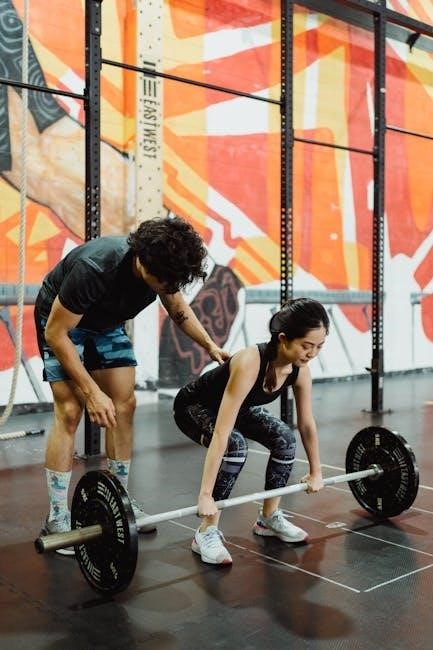
Sports instruction utilizes periodization‚ structuring training plans into phases: preparatory‚ pre-competition‚ and competition. This systematic approach optimizes athlete performance and prevents overtraining throughout the year.
The Four Phases of an Annual Training Plan

A well-structured annual training plan in sports instruction is typically divided into four distinct phases‚ each serving a specific purpose in maximizing athlete development and peak performance. These phases are the preparatory‚ pre-competition‚ competition‚ and transition periods.
The preparatory phase focuses on building a strong foundation of general physical fitness. This involves high-volume‚ low-intensity work to improve endurance‚ strength‚ and flexibility. The pre-competition phase refines skills and increases intensity‚ bridging the gap between general fitness and sport-specific demands.
The competition phase is where athletes aim to peak‚ maintaining performance levels through strategic training and recovery. Finally‚ the transition phase allows for active rest and recovery‚ preventing burnout and preparing the athlete for the next training cycle. Effective periodization ensures athletes are optimally prepared for competition and minimizes the risk of injury.

Preparatory Phase: Building Foundation
The preparatory phase in sports instruction is fundamentally about establishing a robust physical base. This initial stage prioritizes developing general physical attributes – endurance‚ strength‚ flexibility‚ and mobility – before introducing sport-specific demands. Training volume is typically high‚ while intensity remains relatively low‚ focusing on building work capacity.
Activities during this phase often include continuous training for aerobic development‚ foundational strength training to build muscle mass‚ and extensive flexibility work to improve range of motion and prevent injuries. The goal isn’t immediate performance gains‚ but rather preparing the athlete’s body to withstand the rigors of more intense training later on.
Proper nutrition and recovery are also crucial during this phase‚ supporting adaptation and minimizing the risk of overtraining. It’s a period of laying the groundwork for future success in sports training.
Pre-Competition Phase: Refining Skills
The pre-competition phase in sports instruction marks a transition from general preparation to sport-specific refinement. Training intensity gradually increases‚ while volume begins to decrease‚ shifting the focus towards honing technical and tactical skills. This phase aims to translate the physical foundation built during the preparatory phase into performance-ready capabilities.
Sports-specific drills become more prominent‚ mimicking game-like scenarios and challenging the athlete to execute skills under pressure. Interval training and fartlek training are often incorporated to improve speed‚ agility‚ and anaerobic capacity. Coaches emphasize technique correction and tactical awareness.
Mental preparation also gains importance‚ with visualization and strategy sessions becoming integral parts of the training regimen. The goal is to peak physically and mentally‚ ready to compete effectively. This phase bridges the gap between preparation and peak performance in sports training.
Competition Phase: Peak Performance
The competition phase in sports instruction represents the culmination of the annual training plan. The primary objective is to achieve peak performance during key competitions. Training volume is typically reduced to minimize fatigue and allow for optimal recovery‚ while maintaining intensity to preserve skill sharpness.
Focus shifts to tactical execution‚ strategic adjustments‚ and mental fortitude. Athletes concentrate on refining their competitive strategies and maintaining a high level of focus under pressure. Active recovery methods‚ such as yoga and pilates‚ become crucial for managing stress and preventing injuries.
Coaches provide individualized support‚ analyzing performance data and offering real-time feedback. Nutrition and hydration are meticulously managed to fuel performance and aid recovery. This phase demands precise execution and mental resilience‚ maximizing the benefits of prior sports training.

Additional Training Methods
Sports instruction benefits from diverse methods like yoga‚ pilates‚ and body pump‚ enhancing core strength and overall conditioning. Flexibility training is key for injury prevention and recovery.
Yoga‚ Pilates‚ and Body Pump for Athletes
Sports instruction increasingly incorporates complementary disciplines like yoga‚ pilates‚ and body pump to enhance athletic performance and overall well-being. These methods aren’t replacements for sport-specific training‚ but valuable additions that address crucial aspects often overlooked in traditional regimens.
Yoga focuses on flexibility‚ balance‚ and mental focus‚ improving body awareness and reducing the risk of injury. Pilates emphasizes core strength‚ postural alignment‚ and controlled movements‚ creating a stable foundation for athletic endeavors. Body Pump‚ a barbell-based workout‚ builds muscular endurance and strength through high repetition.
Integrating these modalities can lead to improved range of motion‚ enhanced core stability‚ increased muscular endurance‚ and reduced stress levels. They provide athletes with tools to recover more effectively‚ prevent imbalances‚ and optimize their physical capabilities. These are very popular exercise formats‚ offering a holistic approach to athletic preparation.
Flexibility Training: Injury Prevention and Recovery
Sports instruction recognizes flexibility training as a cornerstone of both injury prevention and effective recovery. Maintaining optimal range of motion is crucial for athletes‚ allowing for efficient movement patterns and reducing strain on muscles‚ tendons‚ and ligaments. Neglecting flexibility can lead to muscle imbalances and increased susceptibility to injuries.
Various techniques‚ including static stretching‚ dynamic stretching‚ and foam rolling‚ can be incorporated into a comprehensive flexibility program. Static stretching‚ holding a stretch for a period‚ improves overall flexibility. Dynamic stretching‚ involving controlled movements‚ prepares muscles for activity. Foam rolling helps release muscle tension and improve tissue quality.
Post-exercise flexibility work aids in recovery by reducing muscle soreness and promoting blood flow. A well-designed flexibility routine‚ integrated into sports training‚ enhances performance‚ minimizes injury risk‚ and supports long-term athletic health.